


How I cut the cord to save over $900 annually.
I have to admit that I love new technology. Anything that makes daily tasks simpler, more convenient, or more accessible, I am on board. At the same time, early adoption of technology can clash with my general nature to be frugal, especially when new technology hardware, software and services fees begin to add up. In some cases, technology can actually save money. Coming up on my first year of kicking the cable habit, I am sharing my story of how I dropped my pay television cable services and replaced it with less expensive streaming video services.
My decision to drop my cable TV service did not come easily. I am a sucker for convenience. I expected some trauma, especially with the loss of my on demand DVR. My motivation was the continuously increasing monthly cable bill stuffed with add on fees such as the HD Technology Fee, DVR Service Fee, and Franchise Fees. After a couple weeks of adjustment, the switch was fairly smooth and I am ready to call it a success after a year.
The Math
In my last month of TV service in September of 2012, my total cable and internet bill was $135.75. My internet package became slightly more expensive with the bundling loss, now at $49.95/month. As discussed below, I added Hulu Plus service at $7.99/month but already had Netflix. This makes my total monthly savings $77.81/month or $933.72/year.
In terms of hardware, I outlayed $58 for a Roku (slightly more than current retail), $39 for an antenna and $35 for a Chromecast (which included two month of Netlfix streaming free, saving $15.98). This is a net total hardware cost of $116.02, but a payback period of less than two months.
Hardware
Making the switch required minimal outlay in new expenses, partly because I already owned some equipment already. Here is a list of what I own and what I purchased:
Sony Playstation 3 ($320): Before dropping cable, this acted as my primary DVD/Blue-ray Disc player. Paired with subscriptions, I use this to stream TV Episodes and Movies from Netflix and Hulu Plus (as discussed below). With the dual capabilities of streaming and DVD/Blue-ray, this is my primary TV hardware. I run it through my A/V Receiver, which allows for HD video and 5.1 Audio Channels. For those who might be interested, many options also have subtitles available through streaming as well. If I had not already owned this unit, I would have opted for a cheaper alternative such as the Roku (described next), Smart TV with WIFI, or DVD Player with streaming capabilities.
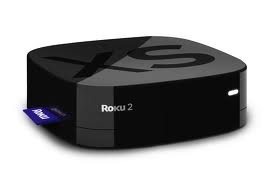 Roku ($49): For my secondary TVs, I just needed something that could stream content at a much lower cost. The Roku is an excellent choice. Much like the Playstation, you can download "apps" (Roku calls them channels) to stream subscription services such as Netflix and Hulu Plus. However, their app selection is much more extensive and adds channels such as PBS, CNN, Vudu (movies) and hundreds more. Often these channels are free, if you are willing to watch ads.
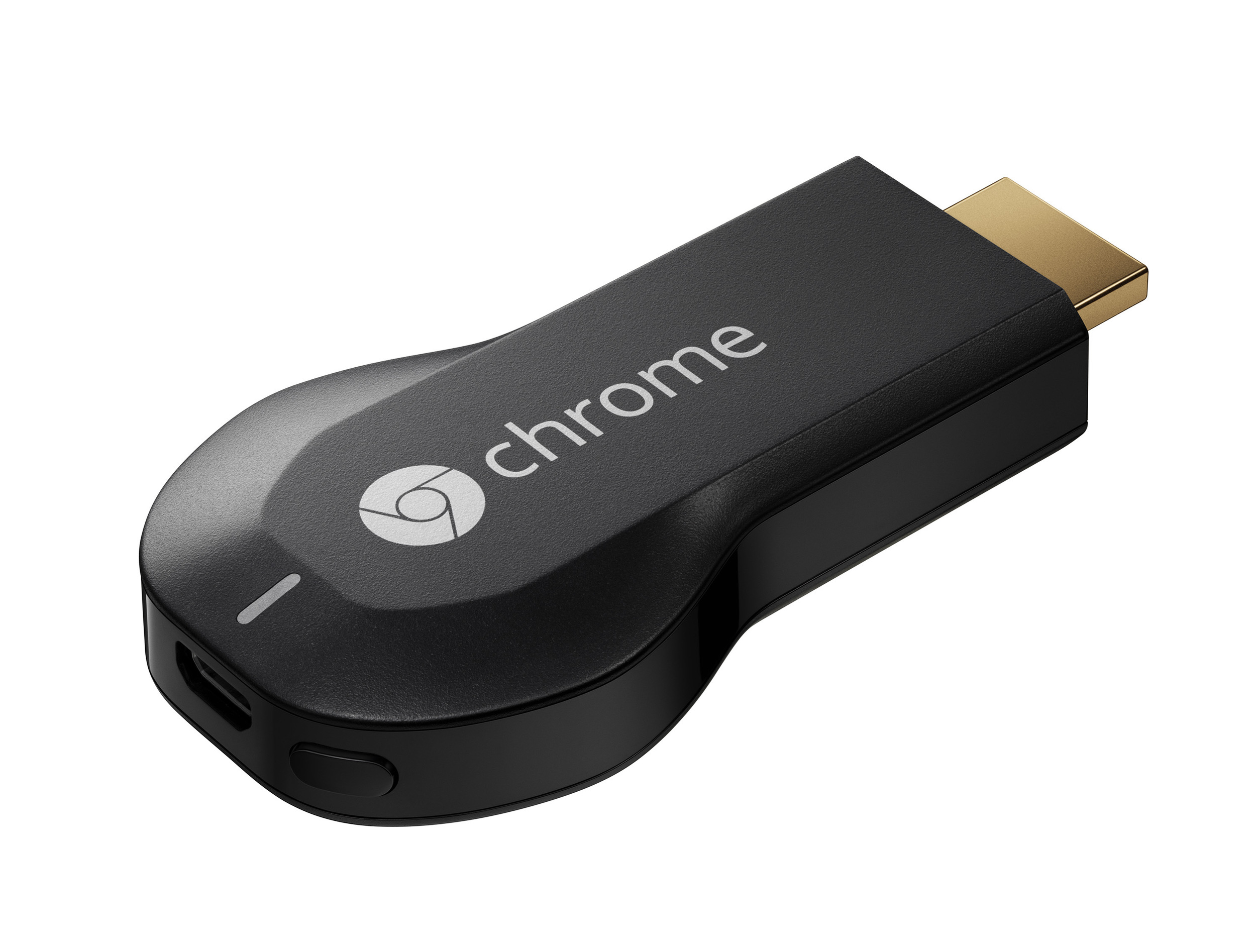 Chromecast ($35): This is my newest addition. Sometimes content I want to watch is only web-based. I previously hooked my laptop directly to the TV using an HDMI output, but this allows a similar functionality through a wireless connection. Essentially, almost any video I can stream through a browser on my phone, tablet or laptop can be "beamed" to my television wireless through this device.
Antenna ($39): Of course, I cannot leave out the fact that a ton of content is available over the air through broadcast networks. With a digital signal over the air, the quality is oftentimes better than the compressed data coming through cable or online streaming. The main downside is content is limited to a broadcast schedule, which means my main use is the morning news while getting ready each morning. Choosing an antenna will depend on how far away and direction of the signal you are trying to receive. Antennaweb.org is a good website to check out when trying to determine what antenna to buy for your area.
Services
A lot of content is available online for free, but subscriptions open up more content. More importantly, subscriptions add convenience of centrally locating content and longer period of access to that content. In some cases, it will reduce advertisements and increase picture and video quality.
 Netflix ($15.98/month): Netflix is one of the most popular streaming services. Their streaming library is impressive, boasting a huge selection of classic and fairly current movies. New movie releases will not likely be available in their library. Additionally, they have a huge library of TV Shows. For shows currently in production, you may find past seasons, but not likely to find the most current season. They have begun to offer series they produce and make available exclusively to their subscribers. I am subscribed to their DVD Services, expanding the available of shows and newly released movies. This feature can be dropped, reducing the monthly cost to $7.99/month. Note: I was already paying for this service before dropping cable, so I am not considering this as a "new" cost.
 Hulu Plus ($7.99/month): Where Netflix has mastered the movie and past TV episode streaming, Hulu Plus has the newer TV shows. Generally most major broadcast TV network shows are available the day after airing as well as many cable network shows. You can access much of their content through your computer browser for free. The paid subscription service expands the library of content and allows from streaming through more devices including the Playstation and Roku discussed above. One downside is even their paid subscription includes advertisements, but their library is expanding all the time.
Looking for more options? There are lots of other services available, such as Amazon Prime Instant Video or buying content through services such as iTunes and Google Playstore.
Caution...
Cutting the cord is not for everyone. Sports fans might be weary as a lot of content will not be available through streaming services. Additionally, Luddites (technology haters) may not enjoy the learning curves of making the switch. Watch out if you have restrictions on your internet service. Those on cell networks will want to be aware of their data caps. It is not unheard of to use 80+ Gigabytes of data in a month by just streaming at home. You will also need a reliable internet connection with at least 5-7 Megabits/Second of bandwidth.
The technology is constantly getting better, so be sure to thank an early adopter for clearing a path to convenience and cost savings for the rest of us. Feel free to comment below if you have questions or strategies I have not mentioned.